Posted date on Sep 29, 2021
Skin Care in PCOS - Frequently Asked Questions
PCOS (Polycystic Ovary Syndrome) is one of the most common hormonal conditions affecting women today. Nearly 1 in 5 women in India suffer from this condition. With so much information available online, this blog aims to clear misinformation and help you manage PCOS-related skin concerns effectively.
What is PCOS?
Polycystic Ovary Syndrome (PCOS) is a hormonal disorder that affects the endocrine and reproductive systems. It can cause enlarged ovaries with small cysts along the outer edges.
How do I know if I have PCOS?
It is important to recognize early symptoms. Common signs include:
- Irregular periods
- Excess facial or body hair (Hirsutism)
- Insulin resistance
- Weight gain
- Acne
- Dark patches on the neck or body folds (Acanthosis Nigricans)
- Anxiety and depression
What should I do if I have PCOS?
First, stay calm. PCOS is manageable. Consult a gynecologist for hormonal treatment and a dermatologist for skin and hair concerns. Avoid self-diagnosis and seek expert medical advice.
Common Skin Problems in PCOS
- Acne
- Hirsutism (Excess Hair Growth)
- Pigmentation
- Hair Fall
What is Hirsutism?
Hirsutism is excessive hair growth caused by increased androgen (male hormone) levels. It commonly appears on the chin, upper lip, chest, back, or navel area.
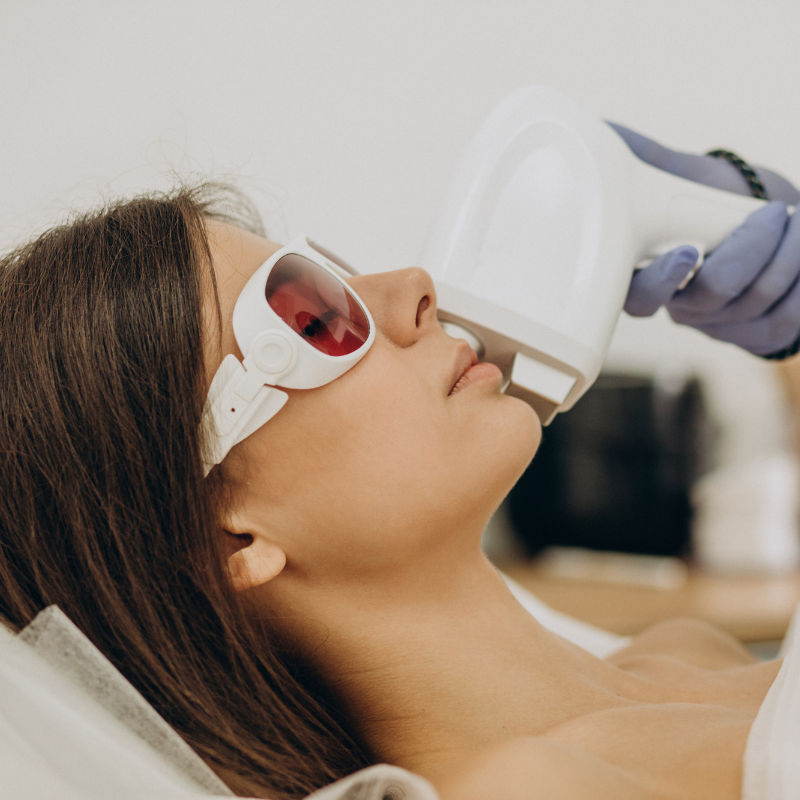
What is Acne?
Hormonal imbalance increases oil production in the sebaceous glands, leading to blackheads, pustules, nodules, or cystic acne.
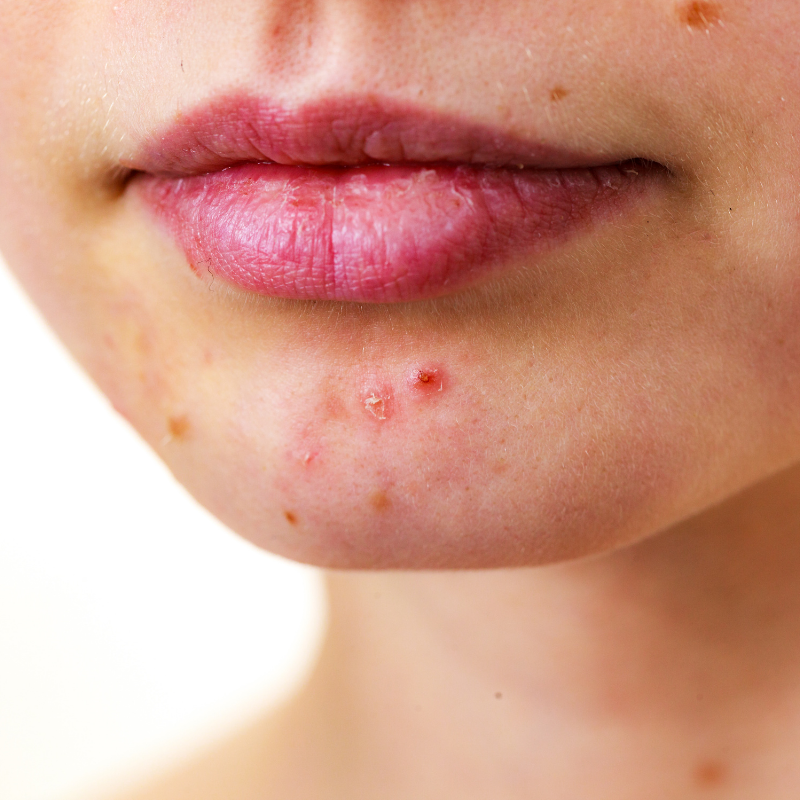
What is Pigmentation?
Dark patches around the neck, underarms, and inner thighs (Acanthosis Nigricans) develop due to high insulin levels and cause hyperpigmentation.
Hair Fall
Hormonal hair fall can lead to excessive shedding, thinning at the crown, receding hairline, or central baldness.
Can lifestyle changes help?
PCOS cannot be reversed but can be effectively controlled with lifestyle changes such as:
- Healthy balanced diet
- Regular exercise
- Proper sleep routine
- Stress management
What are the treatments for PCOS-related skin problems?
Consult a qualified dermatologist for personalized treatment. Treatment may include oral medications, topical creams, medicated oils, lifestyle guidance, and a customized skincare routine.
Please avoid self-diagnosis and DIY remedies. Early medical consultation prevents worsening of symptoms.
For expert advice, book an appointment through the official website.